







Welcome to St. Lucia: a lush Caribbean idyll defined by twin volcanic peaks!
Characterised by stunning beaches, and a landscape rich with tropical rainforests and vibrant culture, St Lucia is nestled in the Eastern Caribbean, north of palm-swaying St. Vincent and the Grenadines and south of the French Caribbean island of Martinique. A central gem of the Lesser Antilles, St Lucia is known for its natural beauty, lush scenery, and warm hospitality and is a paradise for adventurers and relaxation seekers alike. Your unforgettable adventure starts at St Lucia’s Hewanorra International Airport in Vieux Fort, on the southern tip of the island. Once you’ve touched down on St Lucian soil, collected your luggage and headed to the Car Hire desk, it’s just you, your hire car and the freedom of the open road! Renting a car in St. Lucia allows you to explore the island’s unique sights and charming villages at your own pace, from dramatic coastal cliffs to quaint fishing towns. Every corner of this lush island opens up to allow you to explore iconic spots like the Pitons, stunning beaches, and rainforests brimming with wildlife. The road network connects you to the bustling capital, Castries, where colourful markets and French-inspired architecture reflect the island's Creole heritage. This is a particularly stunning part of the beautiful Caribbean region.
St. Lucia’s beauty is its diversity—from rainforest-covered mountains and waterfalls to coral reefs just offshore. The island is home to the rare St. Lucia parrot, known locally as the “Jacquot,” and an array of tropical flora, including bougainvillea, hibiscus, and towering palm trees. The Pitons, a UNESCO World Heritage Site, offer a spectacular sight; these twin volcanic peaks are the most iconic landmarks of St. Lucia and a must-visit for hikers. For those interested in marine life, St. Lucia offers world-class snorkelling and diving opportunities. At the marine reserve in Anse Chastanet, you can see colourful coral gardens, sea turtles, and tropical fish. Put simply, St. Lucia’s wildlife is as vibrant and varied as its landscapes, offering a haven for nature enthusiasts. Lush rainforests, mangroves, and coastal wetlands house an array of creatures, from the dazzling St. Lucian parrot, known locally as the Jacquot, with its vivid green, blue, and red feathers, to the captivating hummingbirds that flit among tropical blossoms. Unique to this island, the Jacquot is a symbol of national pride, revered for its rarity and beauty. The mangrove swamps teem with exotic fish, crabs, and the occasional boa constrictor, while the skies above are filled with kestrels, herons, and frigate-birds. The island’s beaches host nesting sea turtles, while its waters are frequented by dolphins and whales, creating an unspoiled paradise. This diversity of flora and fauna adds an enchanting element to St. Lucia, where every glance reveals a flash of colour, a rare sighting, or a hidden treasure.
If you’re seeking a more rugged adventure, visit the Soufrière area, home to the island’s “drive-in volcano” at Sulphur Springs, where you can relax in therapeutic hot springs and mud baths—a unique St. Lucian pampering experience that’s perfect for unwinding after a day of sightseeing.
Driving in St Lucia
St. Lucia offers a number of highly scenic drives with both mountain roads and coastal highways showcasing the island’s incredible landscapes. Remember that driving is on the left, a remnant of the island’s British colonial history, and the roads can be narrow, particularly in mountainous areas. Start your adventure by picking up your hire car at Hewanorra International Airport and heading north along the island’s west coast.
The island's main road, the Castries-Gros Islet Highway, will take you through some of the island’s most popular areas, from the vibrant markets of Castries to the beach resorts in Rodney Bay. If you’re looking for a scenic drive, take the route from Soufrière to Anse La Raye, winding through rainforests and coastal views. For a quieter exploration, head inland to experience St. Lucia’s charming rural areas, where you’ll pass through banana plantations, lush valleys, and small villages.
On the west coast, you’ll find popular tourist spots such as Rodney Bay and Marigot Bay, renowned for their white-sand beaches, scenic harbours, and a variety of beachfront restaurants and cafes. The island's natural splendour is beautifully complemented by its historical sites, including Pigeon Island National Park, a place where 18th-century fortifications blend with panoramic views of the Caribbean Sea. Driving across St. Lucia, you’ll experience the island’s unique mix of French and British influences, from its cuisine to its festivals. St. Lucia gained independence from Britain in 1979, yet the island remains a vibrant mix of cultural traditions, adding to its charm as an international destination.
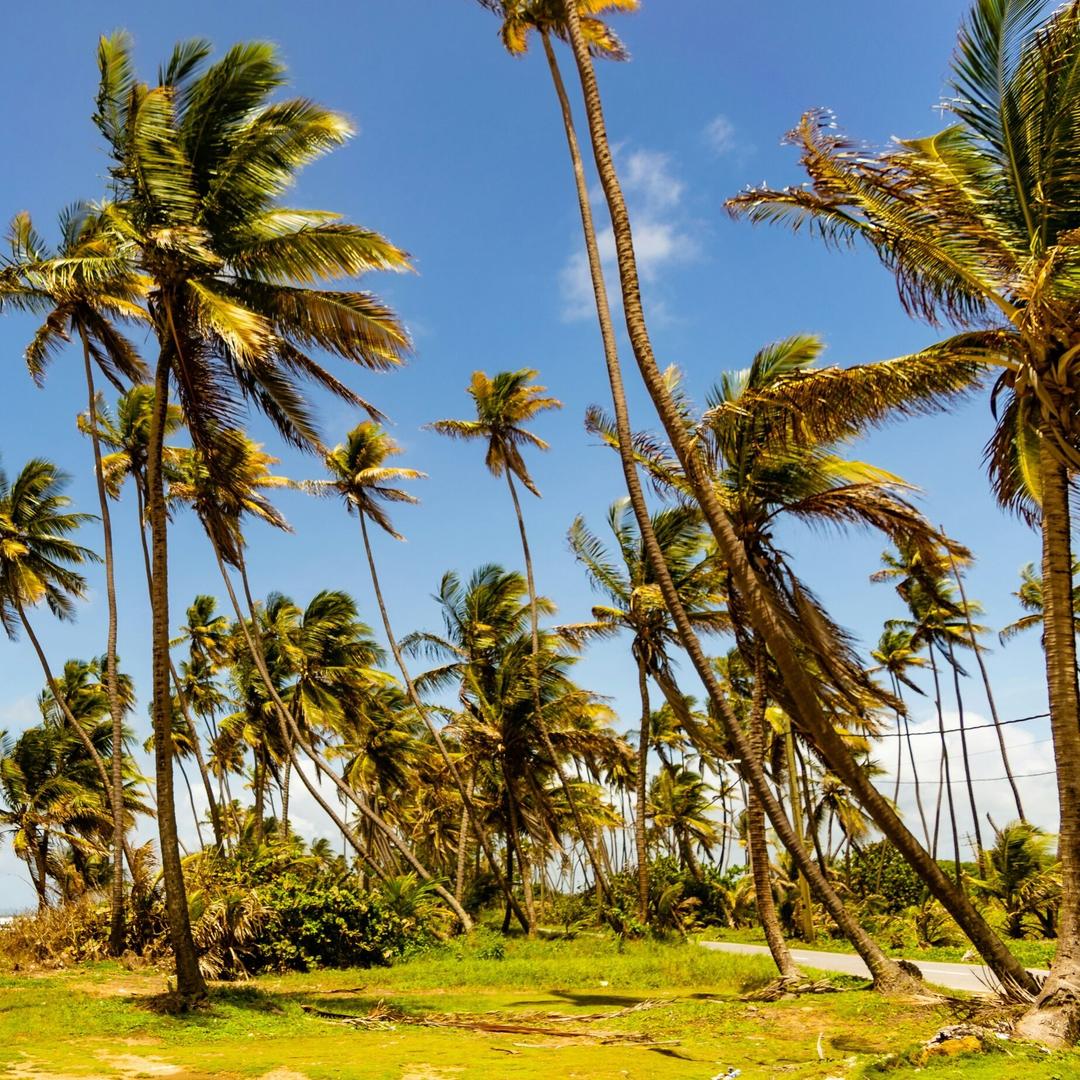
Visiting during July? During carnival season is amazing! As is the St. Lucia Jazz Festival. Both events are especially lively, with music, parades, and cultural events bringing the streets to life. This is an excellent time to experience St. Lucia’s local flavours, such as green fig and saltfish (the national dish) and the island’s renowned spiced rum. Be sure to stop by a roadside vendor for a fresh coconut or some cassava bread for a delicious taste of true St. Lucian cuisine.
Tips and FAQs
Given St. Lucia's varied terrain, a compact or midsize car is ideal for the coast, but an SUV can be helpful for navigating the island’s hilly areas, especially if you plan to visit more remote spots. Some of St. Lucia’s roads can be steep and winding, particularly near Soufrière and the Pitons. A 4x4 vehicle will provide extra stability for these rugged paths. St. Lucia has several roundabouts, especially near Castries. Yield to vehicles on your right and signal as you exit to keep the flow smooth. Like Barbados, St. Lucia drives on the left. Take extra caution if you’re not familiar with left-hand driving, and watch for cyclists and pedestrians, particularly in smaller towns. Roads in St. Lucia can have sharp bends and inclines, particularly around the Pitons. Take your time on these roads, as the scenic views are worth a slower pace. St. Lucians are generally relaxed and courteous drivers. A friendly wave is common, and honking is often used as a greeting rather than a sign of impatience. Parking is readily available in tourist areas, but it can fill up quickly in popular spots like Rodney Bay. Look for designated parking lots or roadside spots, and avoid blocking entrances.
St. Lucia
Population: Approximately 180,000
Annual Visitor Figures: Over 1 million
Average Summer Temperatures: 29-32°C (84-89°F)
Average Winter Temperatures: 26-28°C (79-82°F)
Time Zone: GMT -4
Our Protection Levels for you
Protection Comparison
Protection Comparison
Third-Party Protection: What you need to know
Key Information to Help You Decide
Not sure where to start? Let us guide you through the car rental process, from start to finish:


More Information Made Simple
Questions?
Helpful assistance is below
Top Destinations for Affordable Car Rentals
Sign up to FarAway
the essential newsletter from ReservAway
For exclusive offers, deals and discounts on partner brands